A bit about this overlooked wine that captures the spirit of Italy
There’s a quiet transformation happening across Italy’s vineyards — one that perfectly reflects the modern Italian lifestyle. Refined yet relaxed, sophisticated yet approachable, Italian rosato wines are becoming one of the country’s most compelling expressions of la dolce vita.
Far from the overly sweet rosés many people once associated with summer sipping, today’s Italian rosati are dry, gastronomic, terroir-driven wines crafted with the same care and regional identity as Italy’s finest reds and whites.
From the sun-drenched coastlines of Puglia to the alpine vineyards of Abruzzo and the volcanic soils of Sicily, rosato in Italy is not simply a trend—it is tradition rediscovered.
What Makes Italian Rosato Different?
Unlike many international rosés produced primarily for seasonal appeal, Italian rosato wines are deeply regional. Each bottle reflects the grape varieties, climate, cuisine, and culture of its origin.
Italian rosato tends to be:
- Dry and mineral-driven
- Food-friendly
- Elegant rather than overly fruity
- Balanced with vibrant acidity
- Crafted from indigenous Italian grapes
The result is a style of rosé that feels unmistakably Italian — relaxed, refined, and meant to accompany life’s simple pleasures.
The Origins of Rosato in Italy
Rosato has existed in Italy for centuries, particularly in southern regions where warm climates naturally favored lighter red wines and refreshing pink expressions.
Historically, many Italian families produced rosato for everyday drinking:
- chilled during long summers,
- paired with seafood and vegetables,
- and shared slowly over afternoon meals.
Today, winemakers are elevating rosato into a premium category while maintaining its effortless charm.
The Best Regions for Italian Rosato
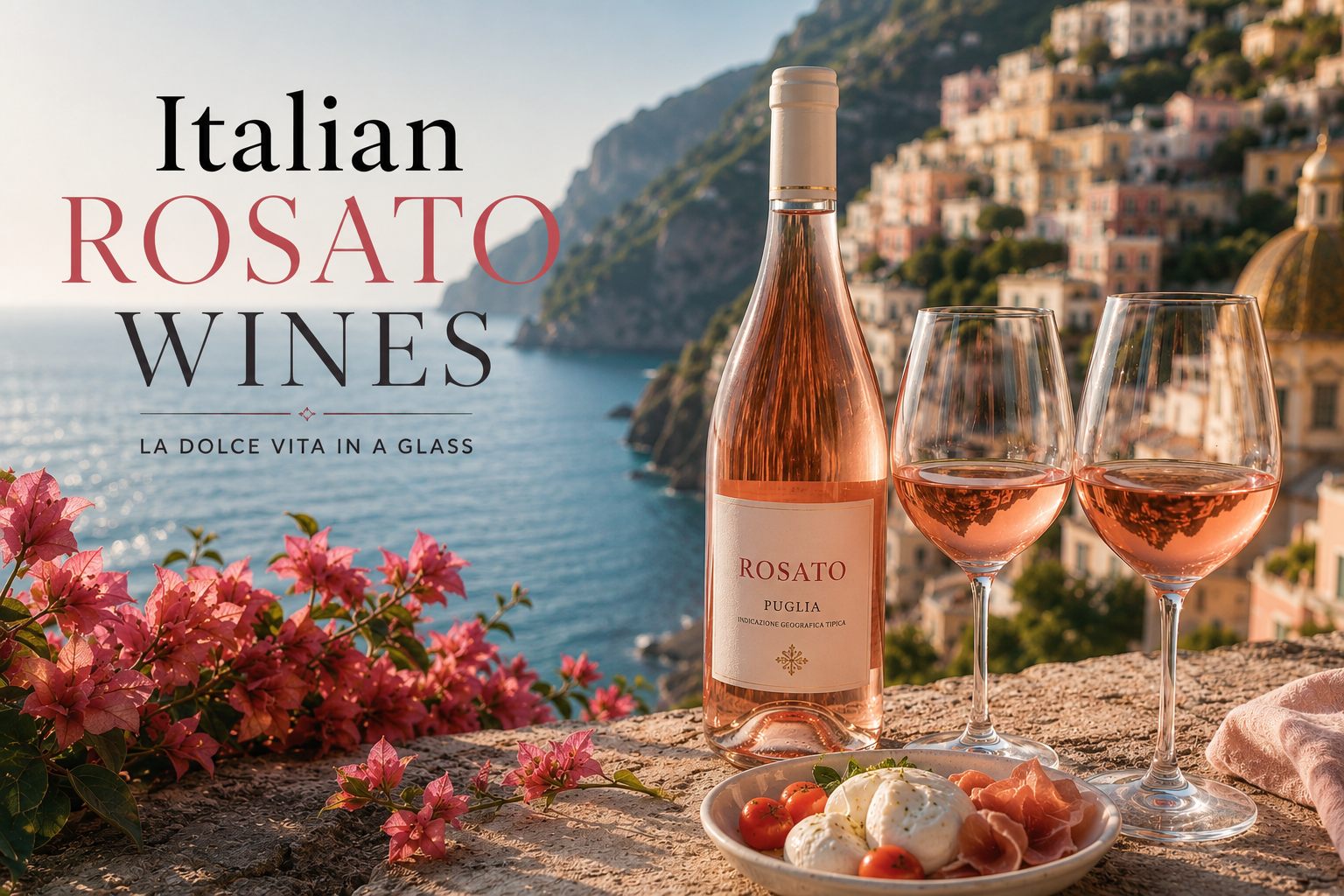
Puglia — The Spiritual Home of Rosato
Perhaps no region is more closely associated with rosato than Puglia. The warm southern climate and native Negroamaro grape create rosati with:
- delicate strawberry notes,
- Mediterranean herbs,
- crisp acidity,
- and subtle salinity.
These wines feel perfectly suited to seaside lunches and golden-hour aperitivo moments.
Abruzzo — Cerasuolo’s Bold Elegance
Abruzzo produces one of Italy’s most distinctive rosato styles: Cerasuolo d’Abruzzo.
Made primarily from Montepulciano grapes, these wines are deeper in color and fuller in body than many Provençal rosés, offering:
- cherry,
- blood orange,
- floral notes,
- and remarkable structure.
Cerasuolo pairs beautifully with rustic Italian cuisine and reflects the region’s authentic, understated character.
Sicily — Volcanic Freshness
Sicilian rosati, often made from Nero d’Avola or Nerello Mascalese, bring volcanic minerality and sun-soaked freshness together in stunning balance.
These wines capture the essence of Mediterranean living:
- citrus,
- wild herbs,
- sea air,
- and mineral tension.
Perfect for warm evenings overlooking the coast.
Lake Garda — Northern Italian Refinement
In northern Italy, the Chiaretto rosati of Lake Garda offer a lighter, more delicate interpretation of rosé.
Elegant and floral, these wines are ideal for aperitivo culture and leisurely lakeside afternoons.
Italian Rosato and Food Pairing
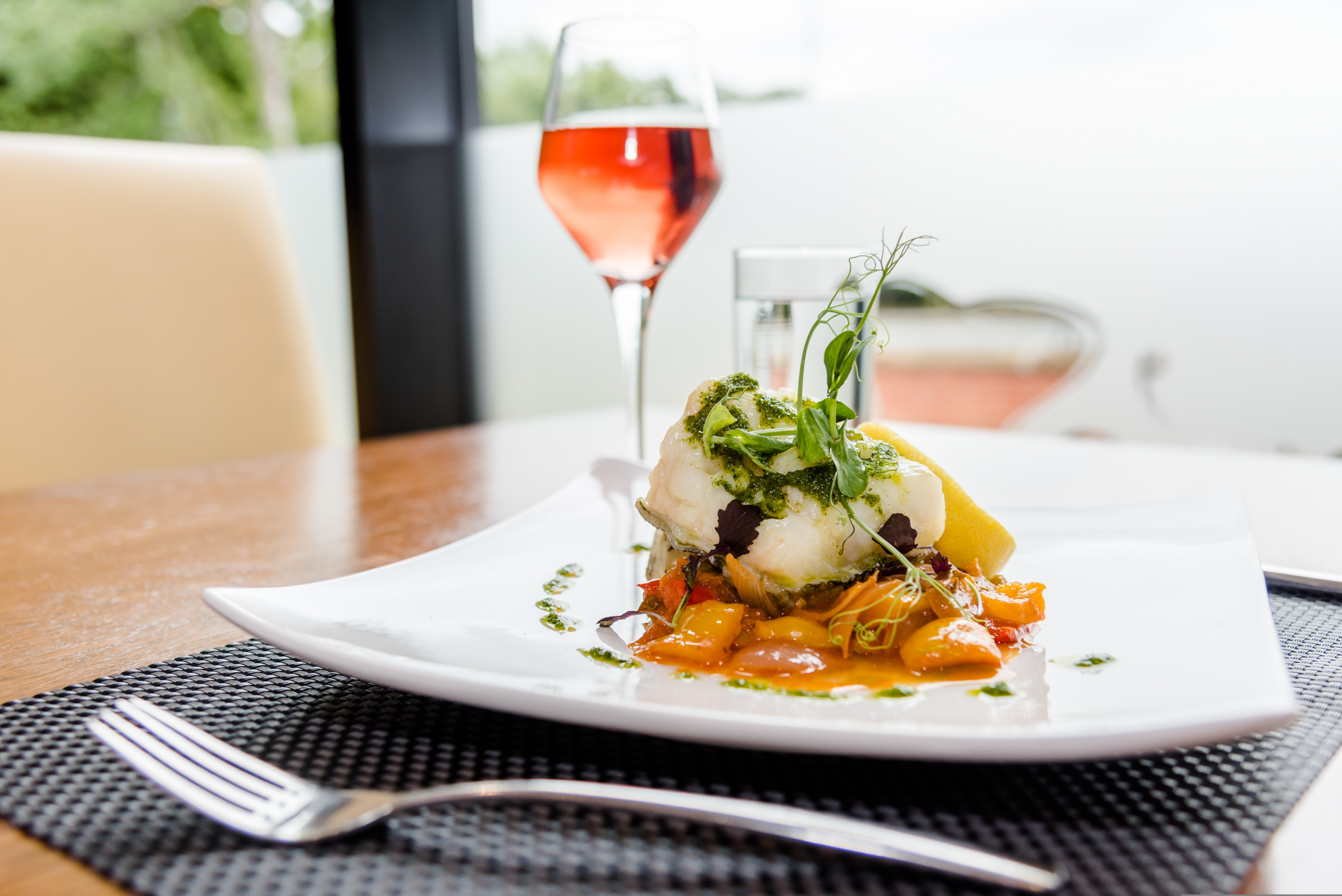
One reason Italian rosato is gaining global attention is its extraordinary versatility at the table.
Rosato pairs beautifully with:
- seafood pasta,
- grilled vegetables,
- burrata,
- prosciutto,
- pizza,
- risotto,
- and Mediterranean seafood dishes.
Unlike heavier reds or overly aromatic whites, rosato complements food without overwhelming it.
In true Italian fashion, these wines are designed to enhance conversation, atmosphere, and connection around the table.
The Rosato Lifestyle

Italian rosato is not merely a wine category — it represents a lifestyle philosophy.
It belongs to:
- long lunches by the sea,
- linen clothing in summer light,
- quiet evenings in a piazza,
- candlelit dinners outdoors,
- and the art of slowing down.
There is a natural elegance to rosato that mirrors modern Italian living itself: beautiful without trying too hard.
The Best Way to Enjoy Italian Rosato
Serve rosato lightly chilled — never ice cold — to preserve its texture and aromatics.
The ideal setting is simple:
- good food,
- natural light,
- meaningful conversation,
- and no rush to be anywhere else.
Because in Italy, wine is rarely about luxury alone.
It is about living well—Italian Style!
Whether enjoyed on the Amalfi Coast, in the hills of Abruzzo, or at home imagining an Italian summer evening, rosato captures the spirit of Italy in a single glass.
And perhaps that is exactly why the world is finally beginning to notice.