Where Art, Psychology and the Written Word Meet in the Eternal City
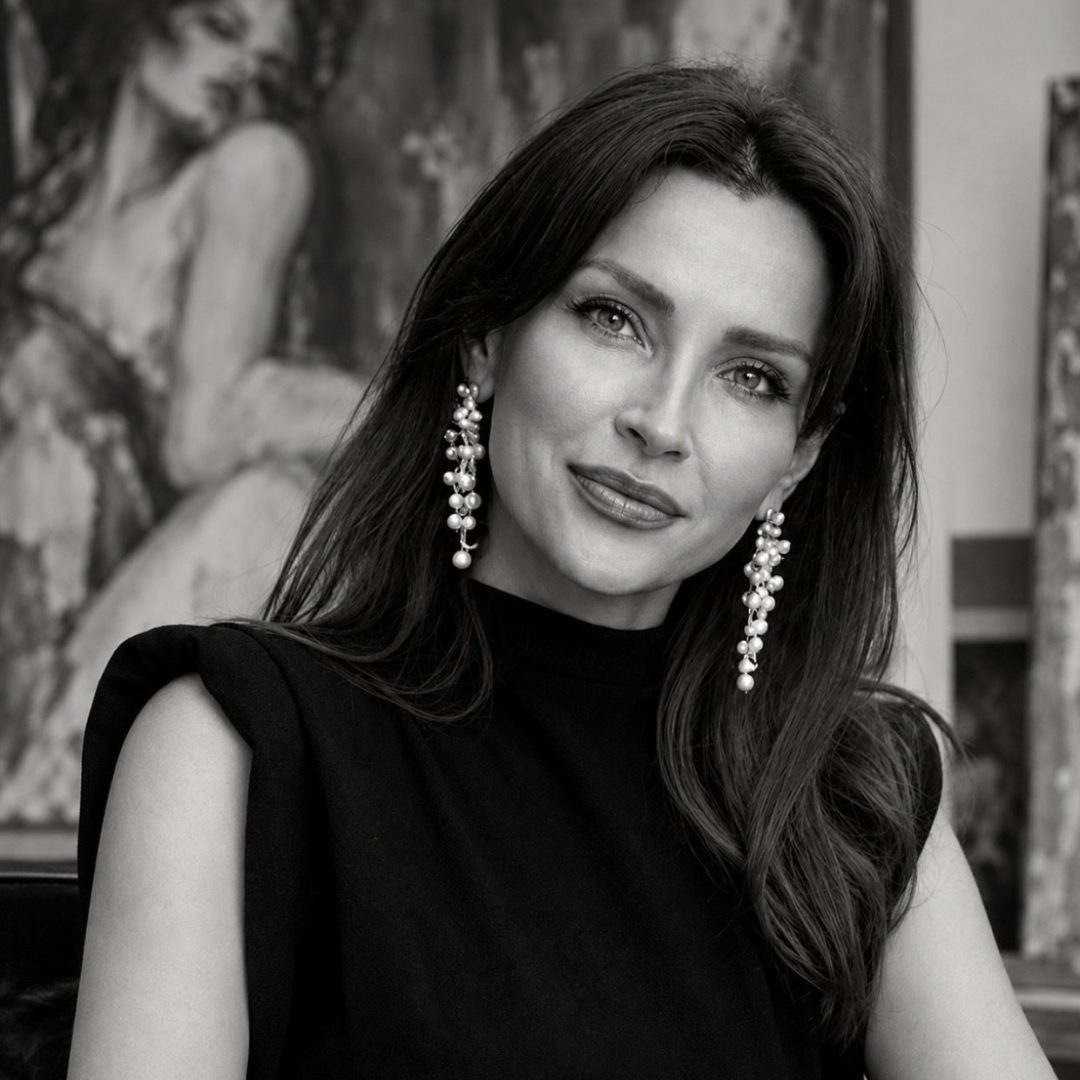
Rome has always attracted artists, writers and thinkers searching for beauty, inspiration and reinvention. Among the contemporary creative voices now making the Eternal City home is Angelika Aks, a Ukrainian artist, writer and psychologist whose work brings together visual expression, philosophy and an exploration of the human psyche.
Born on Christmas Day in Odesa, Ukraine, in 1985, Angelika has developed a creative identity that crosses traditional boundaries. She is a painter, poet and author of short stories, as well as a trained psychologist. Today, based in Rome, she brings these different disciplines together in work that is at once emotional, introspective and distinctly personal.
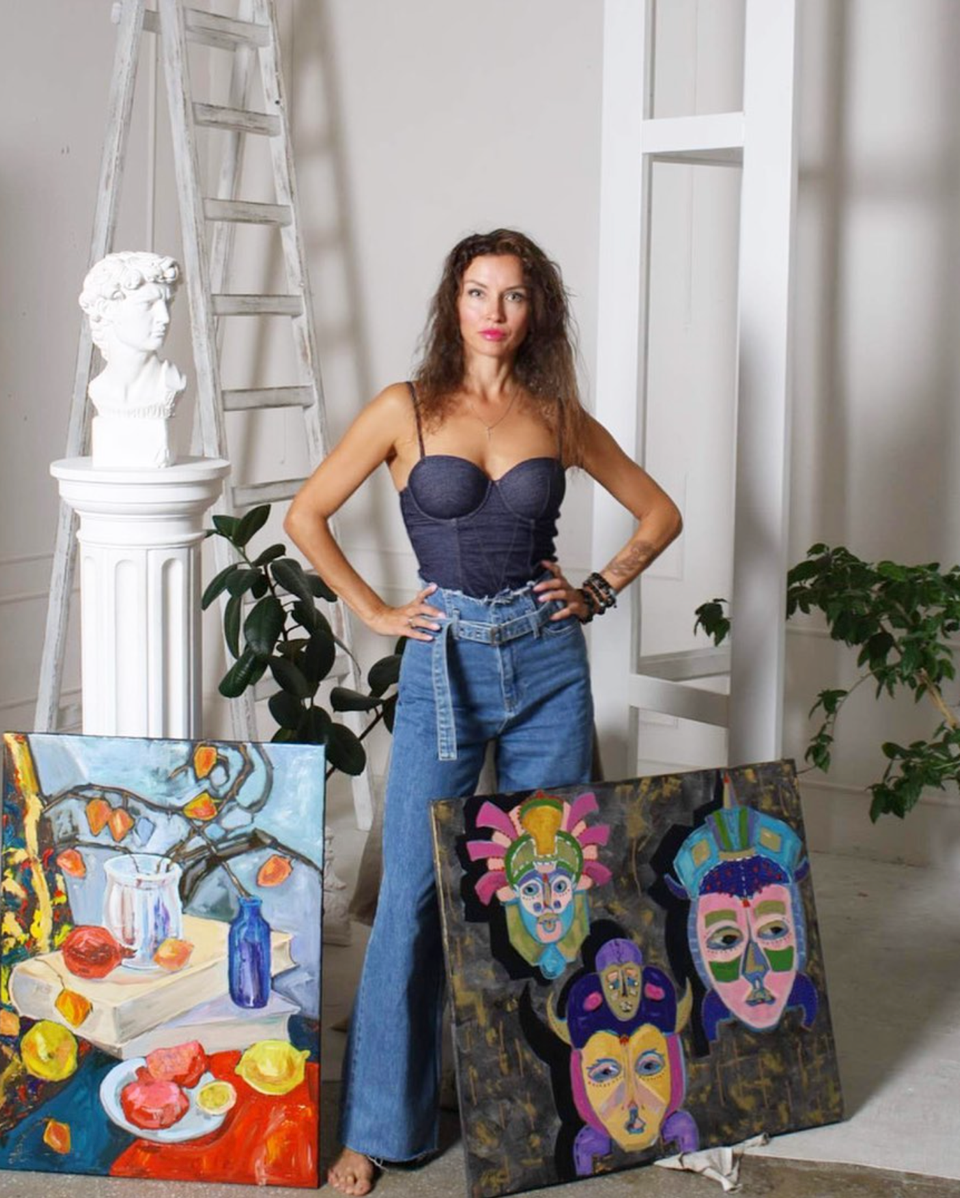
From Odesa to Rome
Angelika’s story begins in Odesa, the cosmopolitan Ukrainian port city on the Black Sea known for its architecture, literature and cultural diversity. Her artistic education included studies at several art schools in Ukraine, while her academic path also led her into psychology.
Her background in psychology has become an important part of her creative identity. Rather than treating psychology and art as separate pursuits, Angelika allows the two worlds to intersect. She has developed programs connected with art therapy, reflecting her interest in creativity not simply as decoration, but as a way of exploring emotion and the inner life.
Following the outbreak of war in Ukraine, Angelika relocated to Italy and established herself in Rome. The move marked a significant new chapter—one in which her Ukrainian heritage encountered the artistic traditions and contemporary cultural energy of Italy.
For an artist, there may be few cities more compelling in which to begin again.
An Artist of Emotion, Symbolism and Contrast
Angelika works primarily in oil painting and mixed media, moving between figurative work, portraiture, still life and more experimental compositions.
Her artistic vocabulary incorporates elements of expressionism, surrealism, abstraction and symbolism. Yet attempting to place her work neatly into a single category misses much of its appeal. The common thread is less about style than about emotion and psychological exploration.
Her paintings frequently invite the viewer to look beyond the immediately visible. Shapes, colors, figures and unexpected juxtapositions become vehicles for examining identity, freedom, desire and human nature.
That willingness to move between the beautiful and the unsettling gives her work a sense of unpredictability. Angelika has described her approach as one that embraces unusual combinations of color and the freedom to be bold rather than simply imitate what has come before.
It is an outlook that feels especially appropriate in Rome—a city where antiquity and modern life coexist on almost every street.
The Psychology Behind the Canvas
What makes Angelika particularly interesting is the connection between her artistic practice and her understanding of psychology.
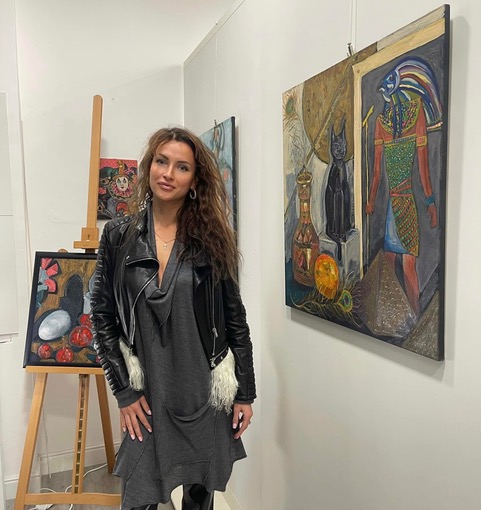
Painting can communicate experiences that are difficult to express through language alone. For an artist trained in psychology, the canvas becomes almost another form of conversation: color can suggest emotion, composition can create tension, and symbolism can reveal ideas beneath the surface.
Her interest in art therapy further illustrates this relationship. Creativity, in this context, becomes more than aesthetic expression. It can become a means of reflection, emotional discovery and connection.
This psychological dimension helps explain why her work can feel deeply personal even when the imagery itself is symbolic or abstract.
A Writer as Well as a Painter
Angelika’s creativity is not limited to the visual arts.
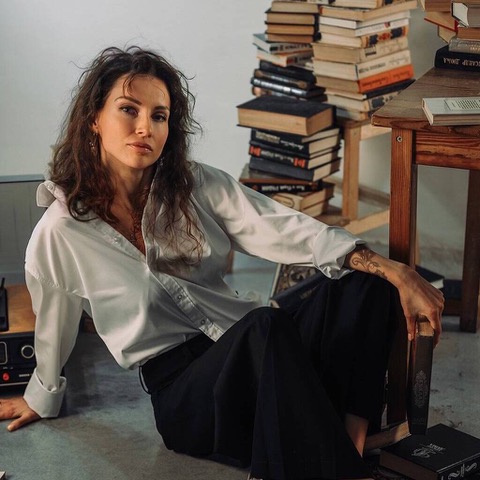
She is also an author of poetry and short stories, adding another dimension to her exploration of human experience. Her literary work and painting share a natural connection: both offer ways to investigate memory, emotion, beauty, relationships and the contradictions that shape our lives.
Long before settling in Rome, her biography already identified both painting and writing as central parts of her creative life. Her work demonstrates the idea that an artist does not necessarily need to choose between words and images; sometimes one form of expression illuminates the other.
Becoming Part of Rome’s Contemporary Art Scene
While Rome is celebrated around the world for Michelangelo, Caravaggio, Bernini and centuries of artistic heritage, the city also possesses an active contemporary art community.
Angelika has increasingly become part of that landscape.
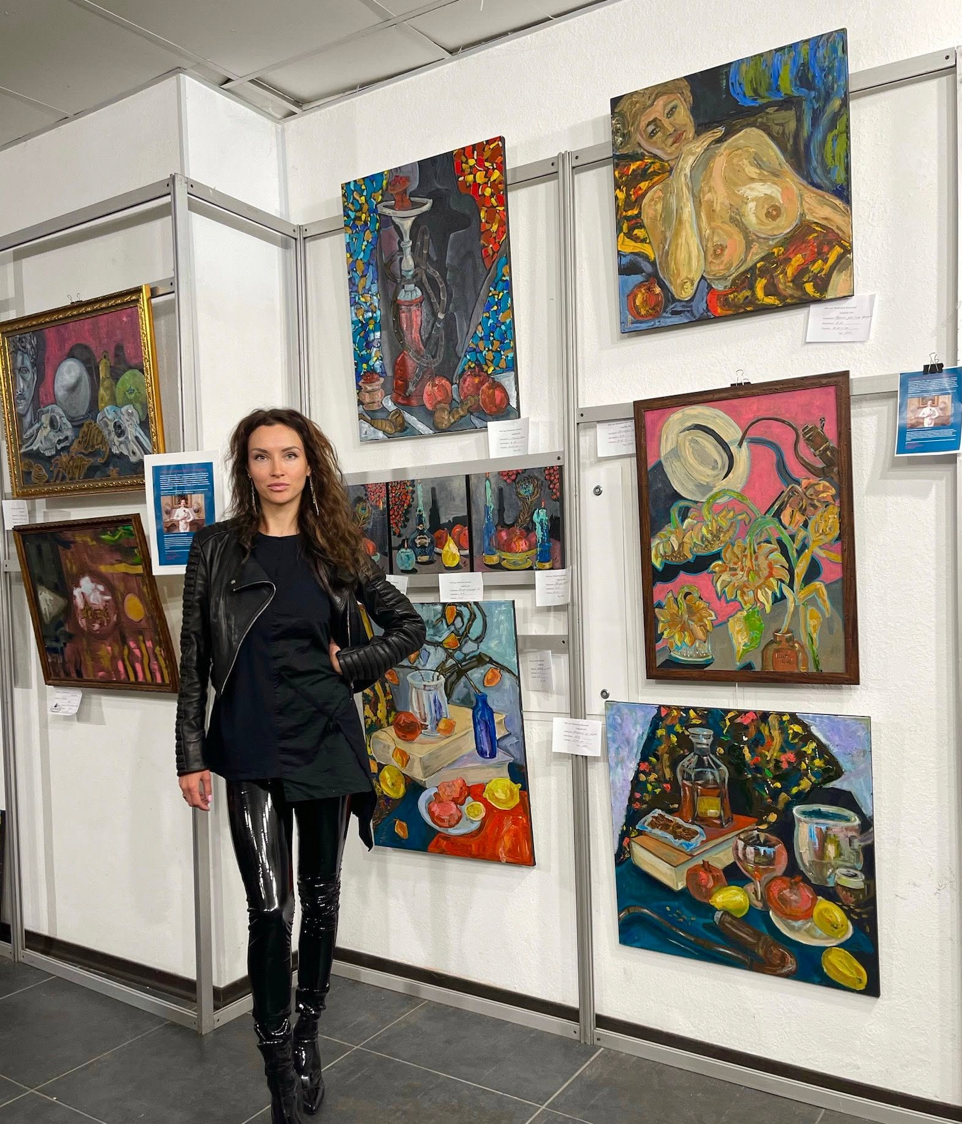
In 2023, she presented the solo exhibition “L’eternità non è eterna” at Cosart Gallery in Rome’s Garbatella district. She has also participated in group exhibitions and international projects in Rome, Florence and elsewhere.
In April 2026, her work was included in “Arte e Fotografia – Il dialogo delle immagini” at the historic Coffee House of Palazzo Colonna in Rome. The exhibition brought together artists working across different visual languages in a dialogue between painting and photography. Rome’s official tourism site listed Angelika among the participating artists.
She is also listed among the professional artists participating in Rome Art Week, further connecting her work with the city’s contemporary cultural community.
In 2026, Angelika was also selected for the international publication “100 Artists of Italy,” representing both Italy and Ukraine—a fitting reflection of the two cultural worlds that now form part of her artistic story.
Her paintings have found collectors internationally, with works held in private collections in countries including Italy, Ukraine, the United States, the United Arab Emirates, Australia, Poland and Germany.
Two Cultures, One Creative Journey
There is something especially compelling about artists who create between cultures.
Angelika carries with her the experiences and cultural heritage of Ukraine while building a new creative chapter in Italy. Rome does not erase those influences; instead, it provides another layer.
The result is a contemporary artistic identity shaped by movement, observation and transformation.
For centuries, artists from around the world have arrived in Rome and found themselves changed by its light, architecture, history and extraordinary accumulation of beauty. Aks continues that tradition in a distinctly contemporary way.
Her journey also reflects a broader truth about creativity: art can travel when circumstances change. It can absorb new surroundings without abandoning where it began.
Living Creatively in Rome
For Italia Living, Angelika Aks represents an intriguing side of modern Italian cultural life.
The Italian lifestyle is often associated with fashion, food, wine, design and travel, but at its heart lies something deeper: an appreciation for beauty, individuality, creativity and meaningful human experience.
Angelika’s life in Rome brings those ideas together.
Artist. Writer. Psychologist.
Ukrainian by birth and now creating in the Italian capital, she occupies the space where cultures and disciplines meet. Her paintings explore the visual world, her writing explores it through language, and her psychological background adds another level of understanding to both.
In a city that has inspired creative minds for thousands of years, Angelika Aks is adding her own contemporary voice to Rome’s continuing artistic story.
Follow her on Instagram at: www.instagram.com/angelika.aks.art/